
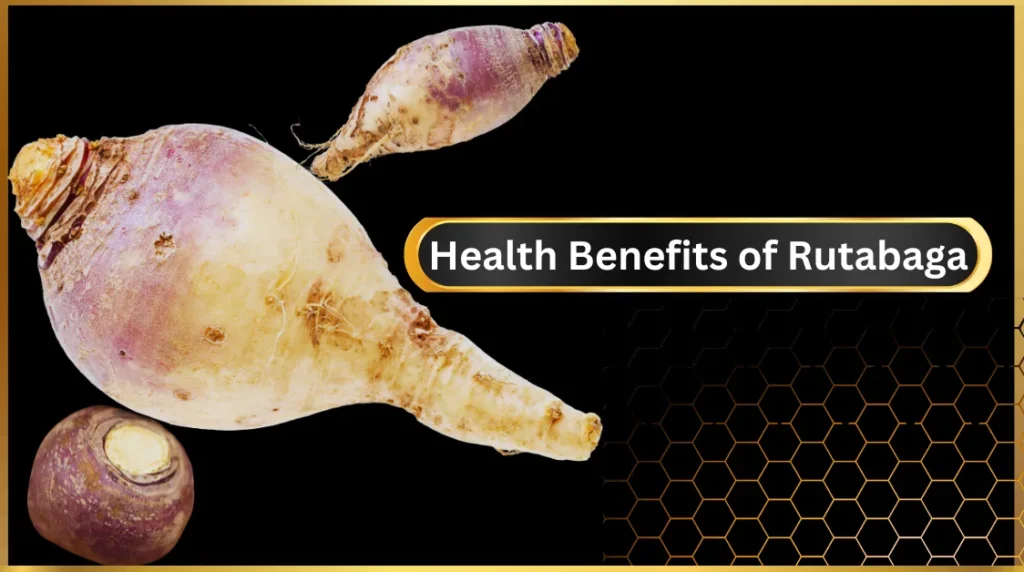
Among healthy root vegetables, many may not be familiar with rutabaga. Although this vegetable may seem insignificant, it has numerous health benefits.
Today, we will discuss 10 health benefits of rutabaga, and also learn how to incorporate it into your diet. But before learning about the health benefits of rutabaga, let’s find out what rutabaga actually is and what its nutritional properties are.
Table of Contents
ToggleWhat is rutabaga?
Rutabaga is a root vegetable, also known as Swedish turnip. It is mildly sweet, round in shape, and has a purplish skin and yellow flesh.
Rutabaga nutrition facts
Here are some nutritional facts of rutabaga (per 1 cup):
Calories- 40
Fiber- 3g
Calcium- 5% of daily value
Vitamin C- 36% of daily value
Protein- 2g
Iron- 4% of daily value
Potassium- 15% of daily value
Fat- 0.1g
Magnesium- 5% of daily value
Carbohydrate- 11g
10 Amazing Health Benefits of Rutabaga
Rutabaga is rich in vitamins, minerals, carbohydrates, and fiber, and has many health benefits. Today, we will discuss some of its health benefits.
1) It may help with weight loss
Rutabaga is rich in fiber and low in calories, which can help control hunger and keep you feeling full for longer, making your weight loss journey easier.
2) Keeps the heart healthy
It helps maintain good heart health. Rutabaga contains potassium and fiber, which can help lower bad cholesterol levels and reduce high blood pressure.
3) Aid in digestion
Rutabaga is rich in fiber, which helps maintain digestive health and improve bowel movements.
4) It may help to prevent inflammation
Rutabaga possesses anti-inflammatory properties that help prevent inflammation in the body. It can also help alleviate the problems associated with arthritis by reducing inflammation.
5) Keeps the skin healthy
The vitamin C present in rutabaga helps maintain healthy skin. Vitamin C helps increase collagen production, which is essential for maintaining youthful and radiant skin.
6) May support kidney health
According to many health experts, rutabaga can help maintain good kidney health, but it should be consumed in moderation. It is important to remember that those with kidney problems should definitely consult a doctor before consuming it.
7) Help boost immunity
Rutabaga is an excellent source of vitamin C, which helps boost the immune system. Consuming it daily can protect our bodies from various types of flu and infections.
8) Helps to control blood sugar levels
The fiber present in rutabaga helps slow down the absorption of sugar into the bloodstream, which reduces the risk of sudden spikes in blood sugar levels. It can be a beneficial vegetable for people with type 2 diabetes.
9) Support brain health
Rutabaga is rich in vitamins, minerals, and antioxidants, which help maintain good brain health and protect brain cells from oxidative damage. Regular consumption (in moderation) can help improve our brain function and mental health.
10) Maintain overall health
Rutabaga promotes overall health; the vitamins, minerals, and antioxidants it contains boost the body’s immunity and improve the health of the eyes, respiratory system, gut, and overall well-being.
How to add Rutabaga to Your Diet?
Adding rutabaga to your diet is very easy. You can boil and mash it like potatoes, or cut it into small pieces and add it to soups, or cook it in curries and mix it with other vegetables.
Conclusion
Although rutabaga is an unfamiliar vegetable to many, it offers numerous health benefits. Due to its high fiber, vitamins, and antioxidants, as well as its low calorie content, it can help prevent diseases, reduce inflammation, and support heart and kidney health. It is also beneficial for digestion, blood sugar control, and weight management. With its many health advantages, rutabaga can make your diet healthier.
Frequently Asked Questions
1) How does rutabaga help to keep us healthy?
Ans- Rutabaga contains Vitamins, fiber, minerals, and antioxidants that improve heart, skin, and gut health. It also helps reduce inflammation and boosts immunity, contributing to overall health improvement.
2) Can rutabaga be eaten raw?
Ans- Yes, you can eat it raw mixed with salad, but the best way to eat it is by boiling or roasting it.
3) Does rutabaga have any side effects?
Ans- Naturally, rutabaga is a beneficial food, but it may cause adverse reactions in some individuals. For example, it can worsen allergy symptoms in people with allergies, so they should reduce their consumption.
It should also be consumed in moderation if you experience bloating or gas problems. Rutabaga should be eaten in small quantities. If you experience any adverse reactions, even after consuming a small amount, stop eating it immediately and consult a doctor.